

Private accounts are a way to use Ethereum without publishing a readable, permanent record of every payment. Platus combines encrypted notes, stealth addresses, and zero-knowledge proofs so privacy can work alongside ordinary onchain activity.
Do You Really Have Freedom to Transact?
Think about the last thing you bought from Amazon. Maybe it was a gift. Maybe it was something you'd rather keep private. Did you worry your girlfriend could easily track it? That a stranger could reconstruct your entire spending history?
Probably not.
Now think about your last onchain transaction.
Every payment is public.
Every transfer is a data point for mass surveillance programs.
Every interaction is permanent.
Anyone with a block explorer can see it all.
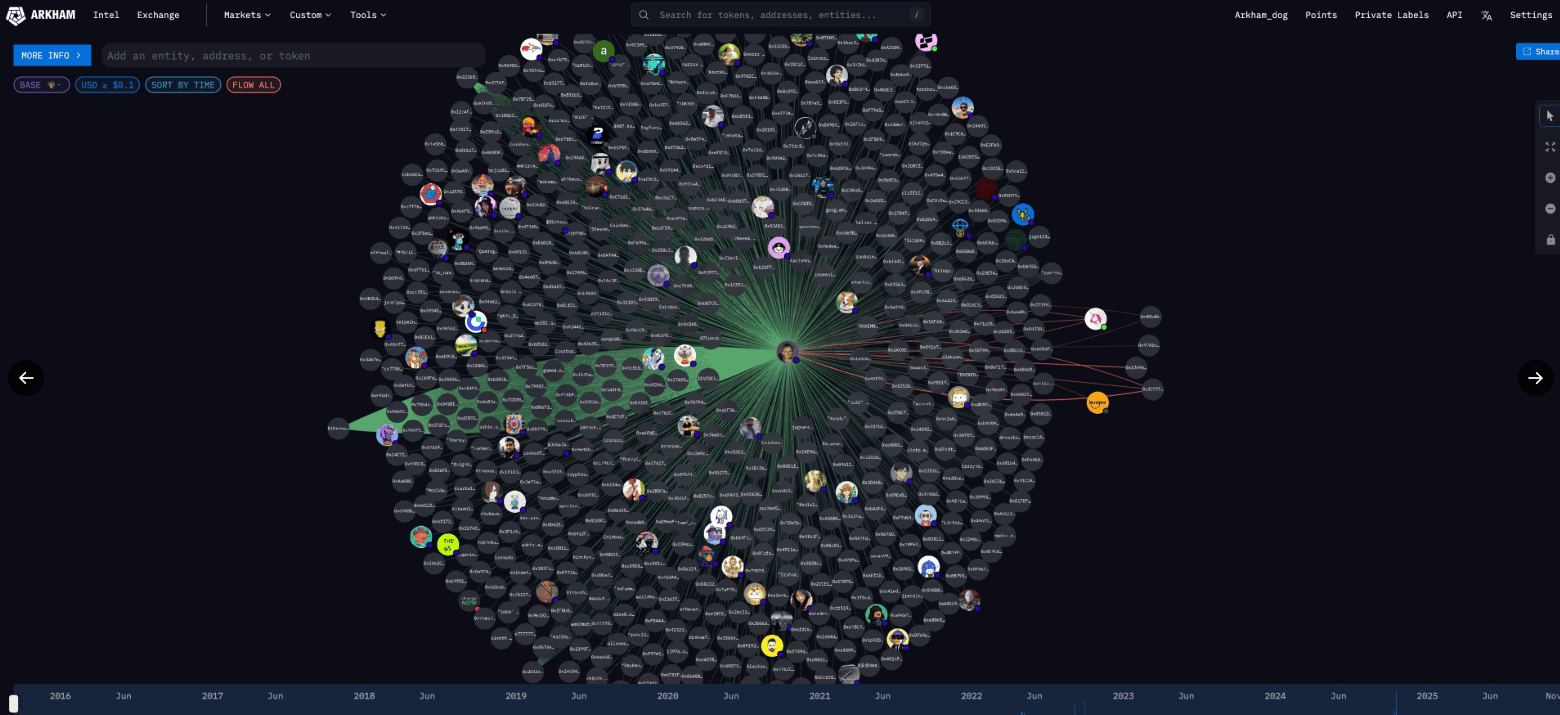
That memecoin you bought?
That once in a decade arbitrage opportunity you spotted?
Hundreds of MEV bots are watching your wallet in real-time, front-running your every move.
In traditional finance, banks or centralized entities know what you do but they don’t broadcast it to the world. Onchain, everyone does. Your trades, balances, mistakes, and timing are permanently public, indexed, and searchable.
Is this the open and fairer financial system we once dreamt of?
The "Solutions" Today
There are broadly only two answers today: mixers or alternative chains.
Mixers let you "reset" your transaction history by pooling funds with others, then withdrawing to a fresh address, but one mistake, one address reuse, one interaction and your entire transaction graph is exposed. Forever.
And even if you're careful, even if you route everything through entrypoint smart contracts and never reuse addresses, what about the protocols that track state? It's never gonna go mainstream.
Alternative chains trade adoption for privacy. Fewer users. Fewer apps. Less liquidity.
You are forced to choose between privacy and usability.
What's Missing
The real question is not whether we need privacy, but why privacy and composability are treated as mutually exclusive.
What’s missing is usable, composable onchain privacy, privacy that works with the applications people already use today.
If privacy is:
✅ Composable: Works with Uniswap, Aave, ENS, and every other protocol
✅ Usable: Same transaction flow, no extra steps
✅ Default: Every user gets privacy automatically
Then privacy becomes normal. The network effect compounds. Adoption grows. And suddenly, transacting privately isn't suspicious, it's expected.
No trade-offs. No behavioral changes. No "choose between privacy and utility."
What We're Building
Platus is a composable private account layer designed to normalize onchain privacy.
Our motto is simple: privacy should not require users to change how they use blockchains.
Platus uses app-specific stealth addresses with persistent state, so protocols can remember you without revealing who you are. All interactions are controlled from a single account using zk-SNARKs.
What's Next?
We're launching on testnet in the coming weeks.
Before then, ask yourself:
Are you okay with your entire financial life being public?
With bots tracking your trades?
With strangers monitoring your balance?
If no, then join us in the journey of building a more private financial system.
If you want to follow along or get involved, join the waitlist here. We're always looking for people who care about this stuff as much as we do.